-
Why EV Incentives Matter for Germany’s Recovery
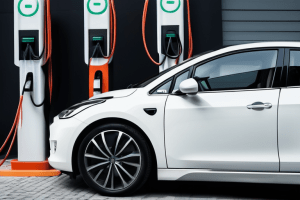
Germany’s economy is at a crossroads. Once the industrial powerhouse of Europe, it now faces structural challenges that threaten its global competitiveness. Among the most pressing issues is the automotive sector—a cornerstone of German industry—grappling with the transition to electric vehicles (EVs). Incentives for EV adoption are not just about sustainability; they are a lifeline for economic recovery. The Current Landscape After the abrupt end of consumer EV subsidies in late 2023, Germany saw a sharp decline in EV sales—down nearly 28% in the first full year without incentives. This slump hit automakers hard, forcing companies like Volkswagen and Mercedes-Benz to announce massive job cuts and consider plant closures. The…
-
This Winter is Cold, Germany’s Economy is Colder
As winter grips Germany, the chill in the economy feels even harsher. Once the engine of Europe, Germany now faces a deep economic freeze marked by stagnation, structural weaknesses, and a wave of industrial decline. Factories are relocating abroad, businesses are shuttering, and job cuts are sweeping across multiple sectors. The question is no longer whether Germany is slowing down—it’s how long this economic winter will last. The Economic Frost: A Snapshot Germany’s GDP growth has hovered near zero for three consecutive years, with 2025 projections signaling continued stagnation. High energy costs, rigid regulations, and geopolitical uncertainties have eroded the foundations of the German model. The loss of cheap Russian…
-
Advent in Germany: A Season of Light, Tradition, and Anticipation
As winter settles over Germany, a quiet transformation begins. Streets glow with twinkling lights, the scent of cinnamon and mulled wine drifts through the air, and homes fill with warmth and ritual. This is Advent—a season that is far more than a countdown to Christmas. It’s a time steeped in history, rich with symbolism, and alive with traditions that bring families and communities together. What Advent Really Means The word Advent comes from the Latin adventus, meaning “arrival.” In Christian tradition, it marks the four weeks before Christmas—a period of preparation for the birth of Jesus Christ. Historically, Advent was solemn, a time of fasting and reflection. Today, while its…
-
New Dependency: Europe Escapes Russia, Falls Into America’s Arms
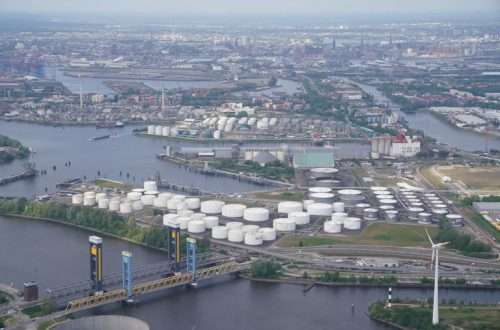
Europe has spent decades tethered to Russian energy. The pipelines from Siberia to Berlin symbolized not just trade, but a geopolitical leash. When Russia-Ukraine war started, the EU vowed to break free. Sanctions, embargoes, and ambitious targets to phase out Russian oil and gas by 2028 were hailed as a turning point. But here’s the uncomfortable truth: Europe isn’t achieving independence. It’s simply swapping one dependency for another. The continent is cutting the cord to Moscow only to plug itself into Washington. From Kremlin Pipelines to American Tankers The shift is dramatic. Where once Russian pipelines defined Europe’s energy map, now American LNG tankers dominate the scene. These aren’t isolated…
-
The End of Globalization… or Just a Major Transformation?
For years, globalization has been the undisputed engine of economic growth, connecting markets, spreading innovation, and lowering consumer prices. But lately, whispers of its demise have grown louder. Supply chain vulnerabilities exposed by recent disruptions, and rising concerns about economic resilience and national interests have led many to wonder: Is globalization over? The short answer is no. Globalization isn’t going away entirely, but its character is undergoing a profound transformation. What we’re witnessing isn’t a complete collapse, but a shift towards a more fragmented and strategically managed form of international economic integration. Let’s call it “Slowbalization.” The Strains on the System The traditional model of globalization, characterized by ever-increasing free…