-
Strategic Reset: Why an Early Leadership Transition Could Shield the CDU from Upcoming Election Losses
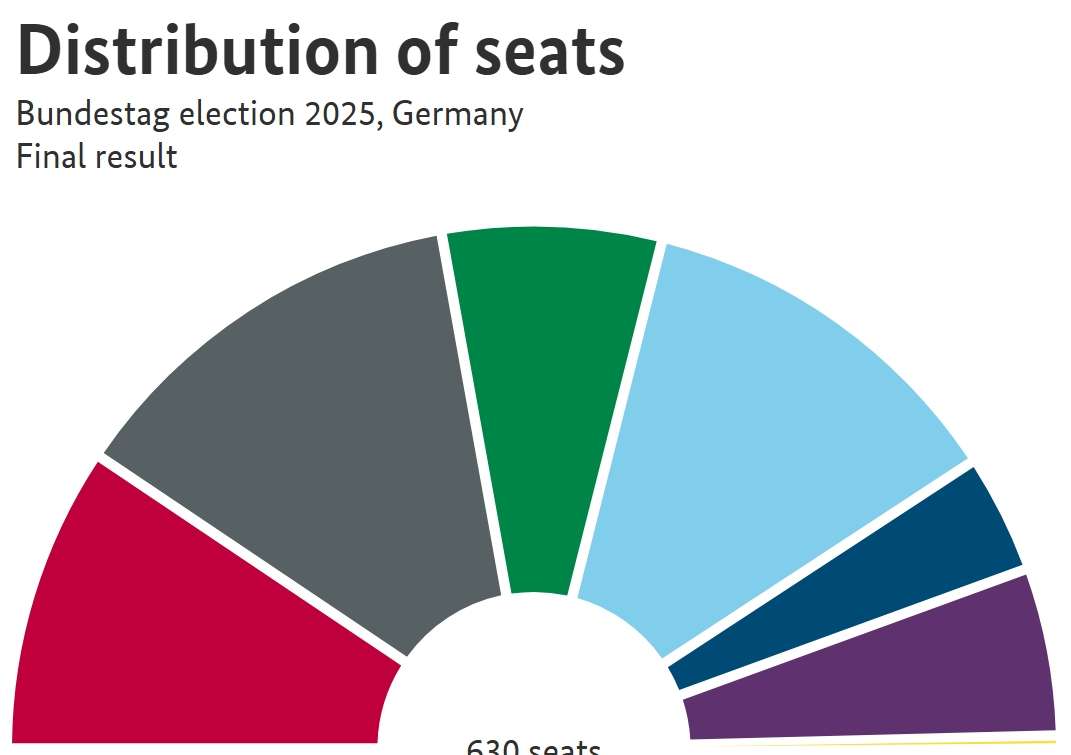
Despite a comprehensive federal cabinet restructuring, the current black-red coalition government continues to face historic lows in public approval. With critical state elections approaching in September 2026, an analytical assessment of current polling data, regional dynamics, and stagnating economic indicators suggests that an early leadership transition from Friedrich Merz could serve as a necessary political fail-safe. Rather than an indictment of character, a strategic handover offers a mechanism to protect the long-term institutional stability of the Christian Democratic Union (CDU). The Polling Landscape: Structural Pressure on Party Leadership Recent quantitative data highlights significant structural headwinds for the current administration: From a strategic standpoint, the argument for a leadership change is…
-
Germany, China, and the EU: From Deep Interdependence to Managed Strategic Friction
Germany’s relationship with China is undergoing a profound transformation. For decades, Berlin treated China primarily as an engine of opportunity: a market for German exporters, a production base for global firms, and a pillar of industrial profitability. That approach was rooted in a broader German strategic culture often summarized as “Wandel durch Handel”—the belief that trade and interdependence could moderate political differences and, over time, encourage convergence. Today, that paradigm is giving way to a much less optimistic model. Germany still seeks to preserve economic ties with China, but it is increasingly attempting to do so under the logic of de-risking: reducing strategic vulnerabilities while continuing selective engagement. This shift…
-
This Winter is Cold, Germany’s Economy is Colder
As winter grips Germany, the chill in the economy feels even harsher. Once the engine of Europe, Germany now faces a deep economic freeze marked by stagnation, structural weaknesses, and a wave of industrial decline. Factories are relocating abroad, businesses are shuttering, and job cuts are sweeping across multiple sectors. The question is no longer whether Germany is slowing down—it’s how long this economic winter will last. The Economic Frost: A Snapshot Germany’s GDP growth has hovered near zero for three consecutive years, with 2025 projections signaling continued stagnation. High energy costs, rigid regulations, and geopolitical uncertainties have eroded the foundations of the German model. The loss of cheap Russian…