-
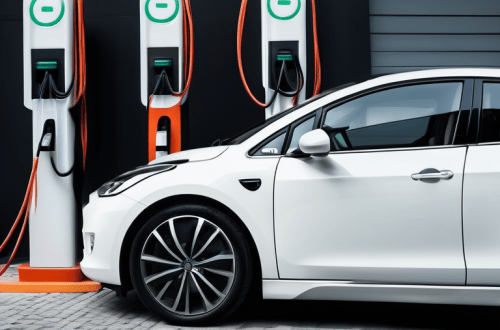
The EU–USA Tariff Deal: Sectoral Setback for Europe
Overview On July 27, 2025, the European Union and the United States finalized a landmark trade agreement that capped U.S. tariffs on most EU goods at 15%, averting a previously threatened 30% escalation. In return, the EU committed to significant energy purchases and investment flows into the U.S., while removing tariffs on select American exports. While the deal stabilizes transatlantic relations and offers strategic benefits, it also introduces sector-specific challenges for the EU economy. 1. Automotive Industry: A Competitive Blow Tariff Impact: U.S. tariffs on EU automobiles remain at 15%, down from the threatened 30% but still above the pre-deal 10% Negative Effects: 2. Steel and Aluminum: A Sector Under…
-
Who Really Pays Import Tariffs?
Introduction Import tariffs are often portrayed as tools to protect domestic industries and penalize foreign producers. However, the reality of who bears the cost of these tariffs is more complex. While governments impose tariffs on foreign goods, the economic burden often falls on domestic actors—consumers, businesses, and even entire industries. This article explores the mechanics of import tariffs and analyzes who ultimately pays for them. 1. The Mechanics of an Import Tariff An import tariff is a tax imposed by a government on goods brought into the country. It is typically levied at the border and collected from the importer of record—usually a domestic business that brings in foreign goods. Key Point: The…